New Cancelled Games & Their Lost Media Added to the Archive

Beat Down: Fists of Vengeance [Beta] — PS2 & Xbox

Beat Down: Fists of Vengeance was Cavia and Capcom’s attempt to revolutionize the beat’em up genre and win over the American market. It took heavy influence from crime and mafia films, and it’s evident throughout the game’s environments and narrative. However, Cavia and Capcom ultimately failed to deliver what they envisioned.

The game began development in late 2003 and was released in 2005 for the Xbox and PS2. Before its final release, a few changes were spotted in early builds. Here are the differences:

IGN videos and E3 2005 Previews:

  • Enemies have a different HUD on top (purple)
  • Enemies didn’t have a HUD originally
  • Destructible environment was removed
  • The Money icon position is in a different spot
  • Dirt effect when slaming enemies to the ground
  • Excessive blood effect during intense fights
  • The camera angle when throwing the enemy off the walkway in the Train Station area (seen at 1:53) doesn’t change.
  • Different clothing and hair text in shop.
  • The Buy sign is different
  • Brighter lights for cities in early builds
  • Pressing the circle or B button to pull off the special attack didn’t deplete your health
  • The notoriety symbol uses Raven’s Jacket instead of the Skull

Tatsuya Minami Interview:

  • Different interrogation text color
  • The text showing “recruit your enemy” is in a different position
  • Name texts are different for both the player and the enemy

Beat Down Trailer

  • Raven’s VA is different
  • The call screen is different
  • Different texts across the game altogether
  • The wanted meter uses a policeman’s face in this trailer and the word “caution” near it. The final build uses a police badge instead
  • Different logo of the game
  • Again, the special attack doesn’t deplete your health
  • Breakable environment
  • Blood splatter on the floor

Images of early builds, along with three concept arts

YouTube video documenting the commercial and critical performance of the game

Stranglehold (Original Pitch with SEGA)

Stranglehold is a fantastic third-person shooter developed by Tiger Hill Entertainment and published by Midway Games in 2007. However, before Midway partnered with John-Woo to make his masterpiece, the idea actually originated in 2003 when SEGA and John-Woo joined forces for a potential three games. The first game was called Sinner. Players would have to assume the role of an assassin who, after being murdered during a contract, is sent to hell. If they’re able to escape the 18 levels of what the lead character determines is Buddhist hell, they’ll have a chance to avenge your death back on Earth and return to the woman you love.

The second game was called Burglar. The player will play as the estranged son of a world-class thief whose father is ironically killed in his own home by a common burglar. With no experience but a number of tools left behind by their father, the player will turn to thievery and set out to avenge their father’s death.

And lastly, Stranglehold. The original pitch was slightly different from the final product. The game would have revolved around two men on opposite sides of the law whose lives become intertwined when the son of a cop is murdered, and the blame is laid on an innocent gang leader. Little is known about this pitch other than a magazine overview.

Unfortunately, SEGA and Tiger Hill Entertainment’s partnership didn’t last long, and all three projects were cancelled.

Dead to Rights 2: Hell to Pay [PS2 / XBOX / PC – Cancelled]

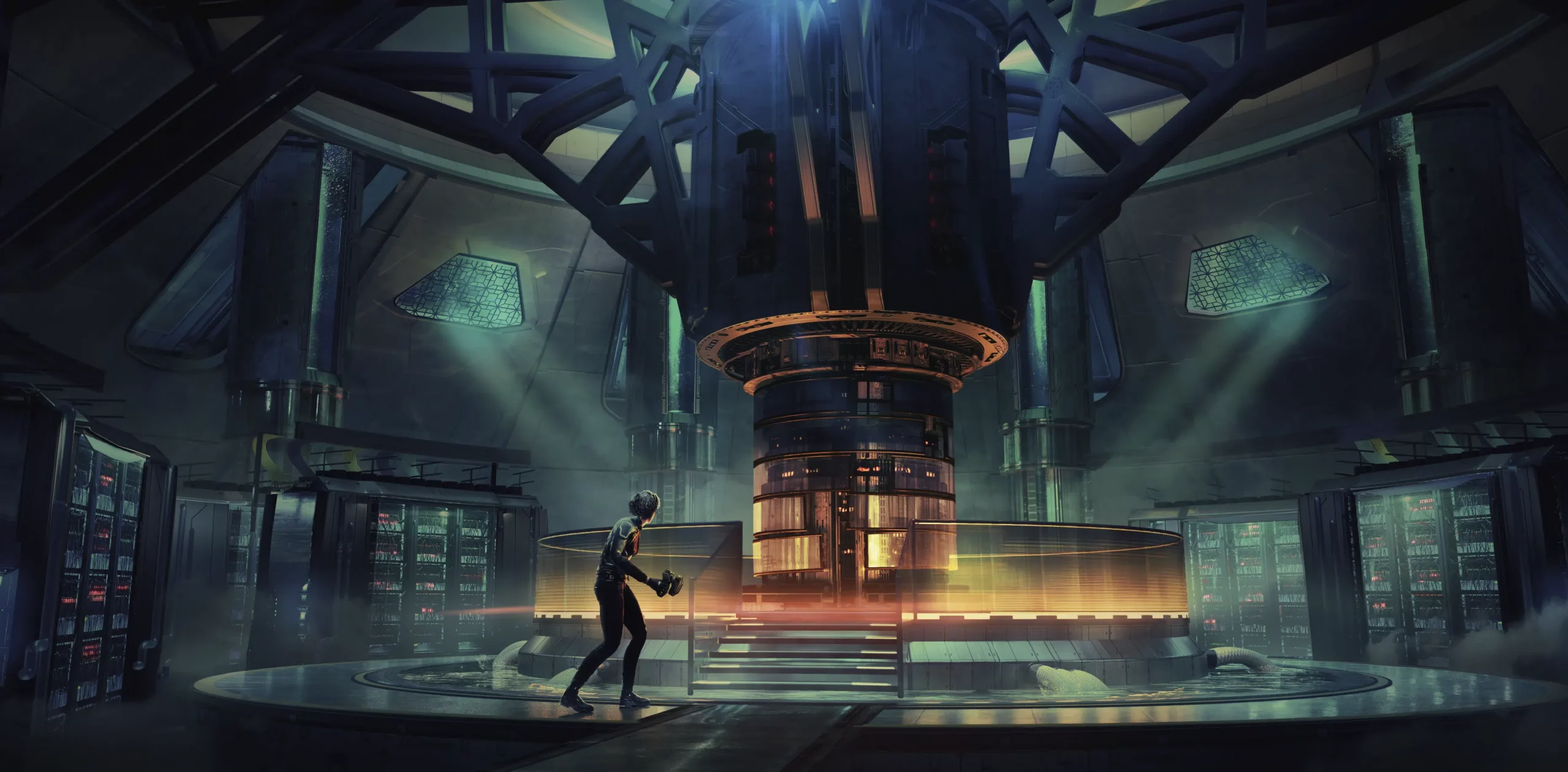
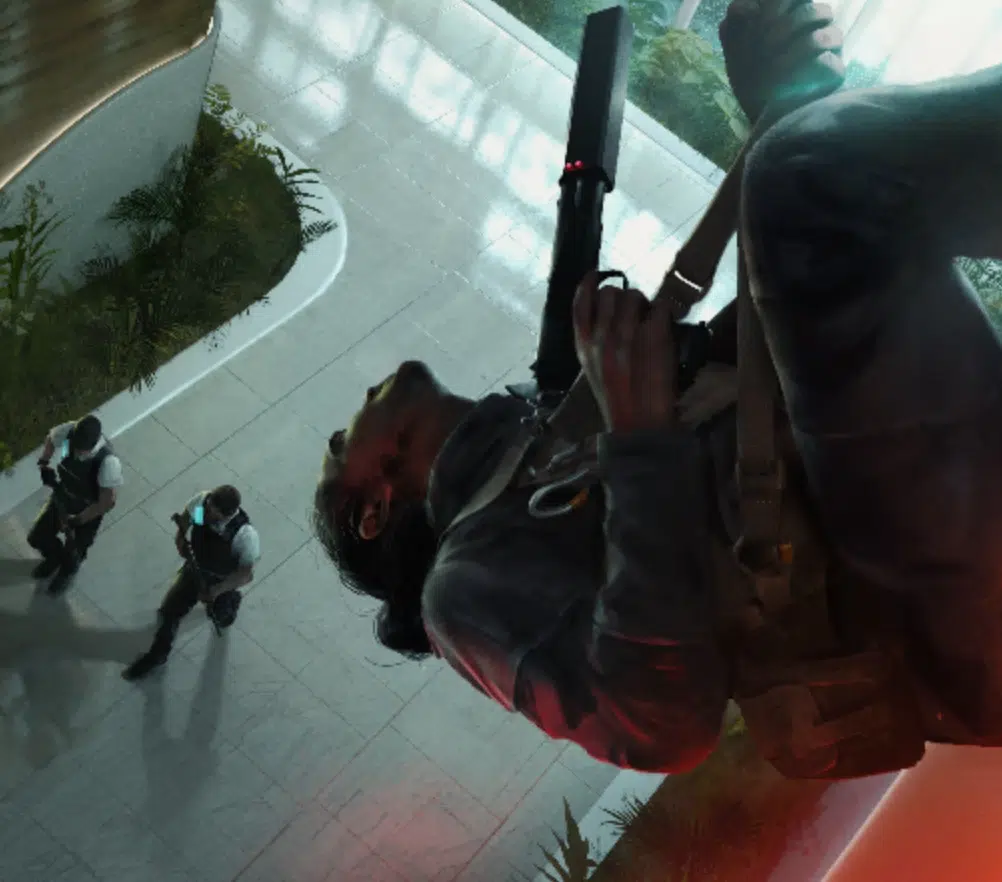
Dead to Rights 2: Hell to Pay was originally planned as the direct sequel to Dead to Rights, continuing Jack Slate’s relentless fight against crime. However, Namco Japan’s abrupt shift toward outsourcing first-party titles to external developers led to its unfortunate cancellation. In its place, Namco Hometek brought in WideScreen Games to develop a completely different version of Dead to Rights 2, one that bore little resemblance to the ambitious sequel that was once in the works.

The impact was severe. Gameplay had to be scaled back, the story was rewritten—twice—and core mechanics that were meant to elevate Dead to Rights 2 were heavily downgraded to meet tight deadlines.

Initially, Hell to Pay was meant to follow Jack Slate and his loyal companion, Shadow, as they dove headfirst into a dangerous conspiracy to save Jack’s friend, Preacher Man Jones. As revealed in Game Informer’s November 2003 issue, this version promised a darker, more intense experience. But by the time Dead to Rights 2 resurfaced at E3 2004, something had changed. Jack was no longer on a mission to save his friend. Instead, the narrative mysteriously shifted to protecting a mysterious—possibly blonde—girl. His overall look was also altered.

Then, as the game neared completion, Dead to Rights 2 was no longer planned as a sequel. Instead, the game was rebranded as a prequel. Evidence of its troubled development was everywhere—unfinished combat animations, stripped-down mechanics, and missing environmental effects, all signs that Dead to Rights 2 had suffered from a troubled development cycle.

In the comments, Vincent was right to spot that Dead to Rights: Reckoning was, in essence, the remnants of Dead to Rights 2: Hell to Pay. It was Namco Hometek’s final attempt to salvage the original sequel’s concept and give players a glimpse of what could have been. Unfortunately, the effort fell short. Only fragments of the original vision made it into the game, while the rest was lost to time.

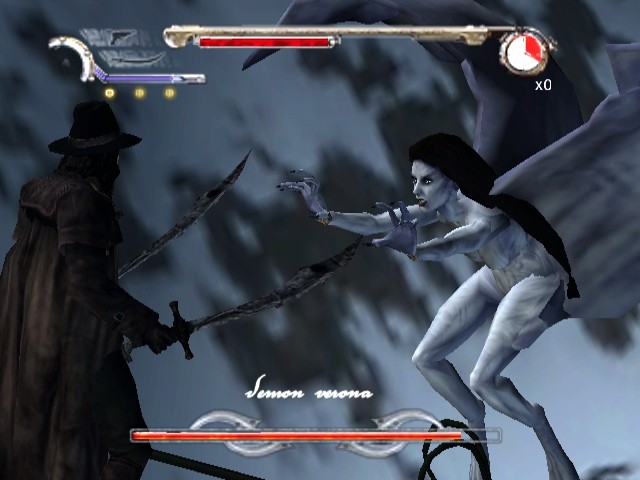
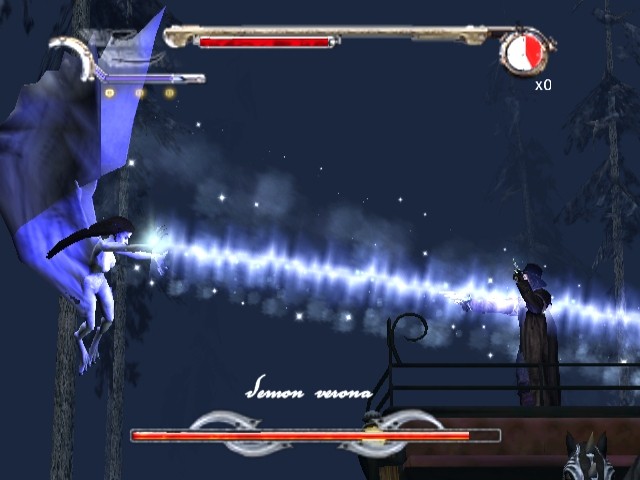
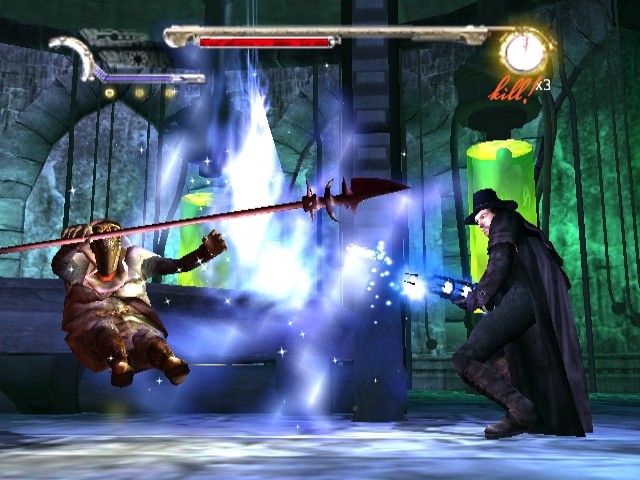
Below, you’ll find full images from the original Dead to Rights 2: Hell to Pay alongside those from the E3 2004 version shown separately, allowing you to see firsthand how the game evolved—and how much it changed—throughout development. A documentary video was also made to show you what went behind the scenes of the game’s development.

Thanks to Vicente and Evan Hanley for the contribution!

Edit: 9/2/2025

Images of the original Dead to Rights 2: Hell to Pay:

Dead to Rights 2: Hell to Pay (E3 2004):

Bonus – Dead to Rights 2: Beta footage 

Differences:

  • Different HUD  design
  • Cut music (mostly generic from pre-beta)
  • Some different gun sfx (in early Xbox build)

Videos:

Fan-documentary with never-before-heard insights from producer and lead artist Pierre Roux:

Highlander [PC / PS3 / Xbox 360 – Cancelled]

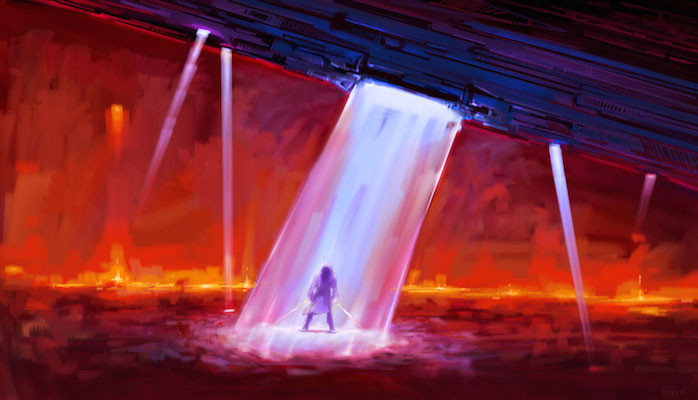
Highlander is a canceled action-adventure game published by Eidos Interactive and developed by Widescreen Games, for the PC, Playstation 3 and Xbox 360, from 2006 to 2008, based on the eponymous film franchise.

Initially, the attempt to develop a new Highlander game dated back well before this one. In September 2004, the company SCi Games managed to conclude an agreement with Davis-Panzer Productions, holder of the rights of the franchise. It was then Climax Studios which was responsible for developing a prototype for the Playstation 2. However, after the takeover of SCi by Eidos Interactive in May 2005, the project was, according to former Senior Programmer Marc Fascia, given to Widescreen Games before being put on-hold in August of the same year. The development was relaunched around the end of 2006, aiming for next generation’s hardwares, and officially announced in August 2007 during the Game Convention, although already in February of the same year, the preparation of a new Highlander game was leaked. During its official revelation, several details were disclosed:

“It will be a third-person action adventure that spans over 2000 years, giving you a chance to explore feudal Japan, medieval Scotland, a futuristic vision of New York and Pompeii before the historical volcanic eruption.

Similarly to the film, the aim will be to journey around the world and meet other immortal warriors in battle, lopping off their heads to win. You’ll have the choice of Katana, Claymore or Double to use, and be able to use various techniques to overpower your foe – like Resurrection, Chi Balance, Fireblade, Wind Fury, Stone Armour and other powered-up special attacks.

You’ll be the newcommer Owen Macleod, but come face to face with 77 other characters along the way – some familiar from the television series or films.

Widescreen is promising around 18 missions to tackle in general, and lots of ways to get around your environment: zip wires, dagger and traverse climbing, swan dives, free falls, cannonballs and beams.”

More information were shared in January 2008 alongside what was, for a long time, the only official video of the game:

“Publisher Eidos has officially announced that it will be bringing an Unreal Engine 3 game based on the popular movie and TV series Highlander to Xbox 360, PlayStation 3, and PC later this year. Eidos notes that the title, to be developed by Widescreen Games, will be written by TV series writer David Abramowitz, and will take series star Owen MacLeod “on a journey across multiple lands from first century fiery Pompeii, to futuristic New York to discover his destiny and explore the powers of immortality.” By nature of that immortality, Eidos says players will be able to exploit the unique powers it brings and “manipulate situations that death would normally prevent” such as channeling electricity and fire, impaling himself on enemy weapons to disarm them and falling from buildings to escape. The game will also feature “an advanced combat system, gamers will master a variety of Highlander swords including the Claymore, Katana, and Twin Gladius” which will “combine exciting swordplay with the Quickening powers of an Immortal.” MacLeod’s knowledge and strength will be enhanced with each other Immortal he beheads throughout the game.”

In March of the same year, it was an interview with Producer Gilles Baril, which explained in detail new points about the game, including its story, that appeared online:

Could you please reveal the beginning of the game’s plot, just a glimpse of the story?

G.B.: “The game starts in New York – large parts of the city are being evacuated but nobody knows why. The hero, Owen McLeod, is about to leave the city when several heavily armed men burst into his loft apartment. As the story unfolds, Owen finds out that a powerful immortal is the leader behind the attacks, searching for a mysterious artefact which was broken many years before into three fragments. Owen sets off after the fragments, sensing that his destiny is closely linked to this ancient artefact, he racks his memories for clues, memories which will plunge him into three different key periods of his past.”

Can you describe the different environments on the game and where it all takes place historically?

G.B.: “The game takes place in modern day New York where Owen must sift through his memories in order to unfold the story. These memory flashbacks take place in: Pompeii in the 1st Century AD, where, as a young gladiator, Owen meets his mentor who teaches him of his true nature and of the rules to the Game; The Highlands in the 9th Century where, in search of his origins, he befriends a fellow Immortal named Ryan, with whom he fights side by side against the Viking ravagers allied to the powerful Pict sorcerer Barak; and finally, Japan in the 14th Century, where, with his ally Methos, he protects the sanctuary of Kusanagi-no-tsurugi, a legendary blade, and fights Shinu, Lord of the Tengus, who seeks to make off with this sacred artefact.”

In the game will you leap between different time periods in history? Will the game also include an RPG element as you progress?

G.B.: “The game moves between New York to Owen’s memories in past time periods so you’ll be moving between different time periods as Owen tries to discover the key to what is happening to him in New York. We’ve kept to a good balance of navigation, combat and story. Each environment varies in terms of balance of these three elements. This is a tricky balance to get right but we’re happy with the outcome. There will also be an element of RPG to the game as you will be able to upgrade Owen’s combat and Quickening techniques as you play through the game, depending on the choices you make as you play.”

Can you explain how you will be able to upgrade your character?

G.B.: “The player can upgrade their player character, weapons and immortal Quickening techniques in two ways – by spending experience points earned in the game and by finding secret bonuses hidden in the levels. The player can earn extra experience points by using more skilled combat moves to finish off their opponents and by completing secondary objectives in the levels (for example, saving all the innocent Scottish villagers from being slaughtered by the Vikings in the Highlands). Upgrades enhance the strength of the weapons, the power and scope of the Quickening effects and increase the abilities of the player character.”

We understand that you can move both on rooftops and on the ground in the New York part of the game. Can you explain how this happens?

G.B.: “The game features levels where navigating deadly heights is crucial. One of these levels features a wind effect which will blow the character off unless the player is careful. The New York levels are pretty vast and do feature gameplay on the ground and higher levels/roofs, however we also have to take care to ensure the player doesn’t get lost, so there are some limits.”

How does the combat system work?

G.B.: “Each weapon has its own set of attacks and the player can create their own combos. This evolves further when Owen is in Fury mode which gives him much stronger attacks. Using the Weapon Mastery Quickening technique each weapon can also become even more destructive. We’re very confident that the combat experience will be easy for players to pick up and play and will also provide a real unique Highlander flavor.”

Will you fight other Immortals?

G.B.: “There are boss fights with other Immortals but we wanted to keep the Immortal fights special so in many parts of the game Owen will be fighting mortals. Some of the mortals are aware that Owen is an Immortal and have been hired to kill him, like the men invading his apartment in New York at the start of the game, whereas others are just generally up to no good like the Vikings invading the Scottish highlands in later levels.”

However, the game, initially planned for the summer of 2008, disappeared again from the radar and was no longer mentioned. We can see that several Widescreen employees stopped working on it around the time when it was supposed to be released. In February 2009, following the economic crisis, Eidos was bought by Square Enix to become Square Enix Europe. In April of the same year, some sources declared that David Abramowitz, during a convention dedicated to Highlander told that the game was postponed indefinitely following disagreements between Eidos and Davis-Panzer. In parallel, Widescreen was already working on a new project, The Witcher: Rise of the White Wolf, before filing for bankruptcy in July 2009. Oddly enough, it was not until December 2010 that Square Enix confirmed the cancellation of the game, which could imply that after the shutdown of Widescreen, the publisher planned to relaunch the development of the game with a new developer.

It was never officially revealed why Highlander was canceled. In this comment section, an anonymous source claiming to have worked on the game indicate that it was finished but was of poor quality and would justify the delay announced by Abramowitz in April 2009, but this remains to this day only pure speculation. On the other hand, Alexis Madinier, one of the former developer on the game wrote on his LinkedIn profile that it was:

“canceled due to clash between publisher and IP Owner. At 2 months of the release…

Which could confirm the words of David Abramowitz during the convention. No further attempts to develop a new game based on the Highlander franchise have materialized after that one for now.

Special thanks to Wavy Mavis for providing all soundtracks initially composed by Richard Jacques for the game!

Images:

Videos:

Official Highlander’ soundtrack by Richard Jacques. Thanks to Wavy Mavis and the timestamps, we can learn a bit more about the game.

Blood Will Tell (Dororo) — Beta [PS2]

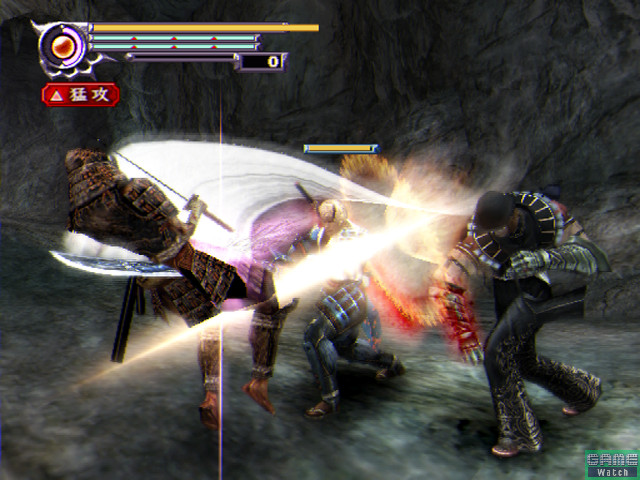
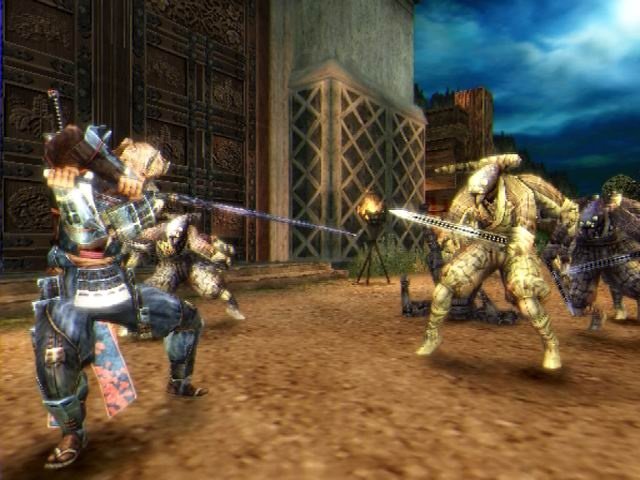
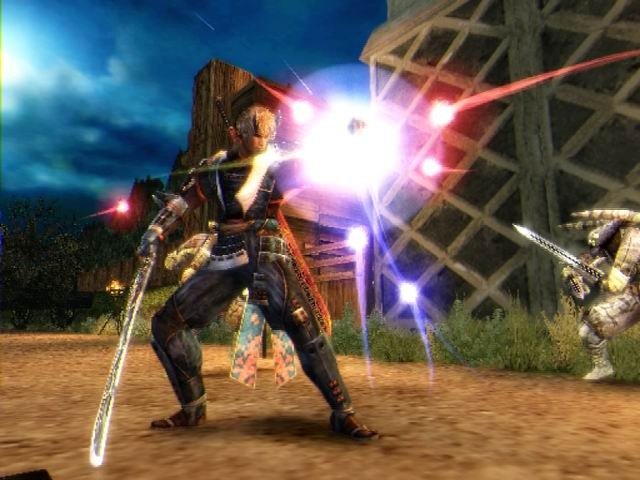
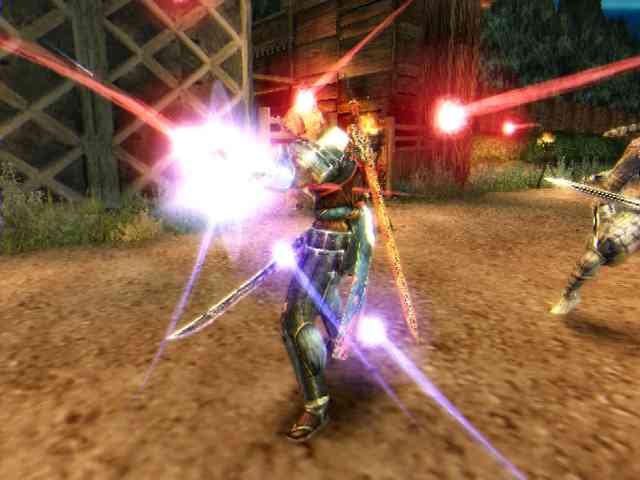
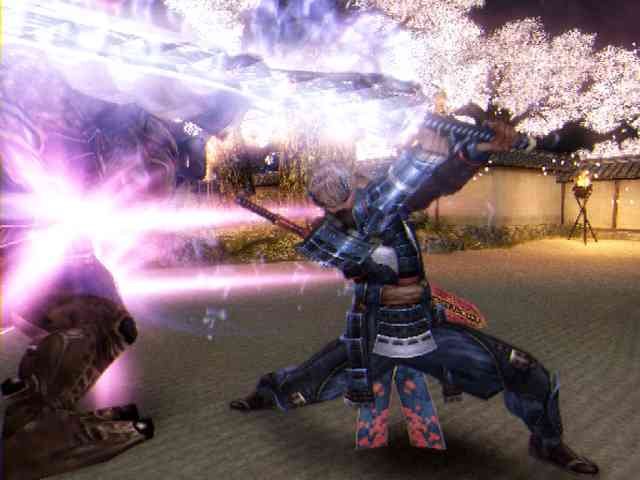
Blood Will Tell: Tezuka Osamu’s Dororo (known in Japan as Dororo) is a fantastic hack-and-slash game based on the timeless Dororo manga by renowned author Tezuka Osamu. The game was released exclusively on the PS2, and it sold very well in Japan compared to North America and Europe.

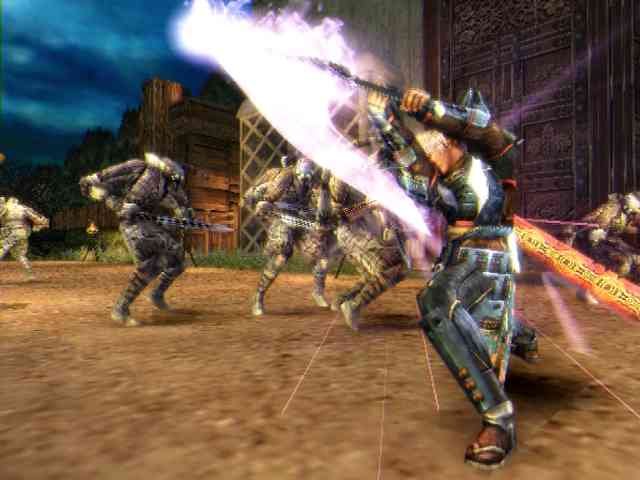
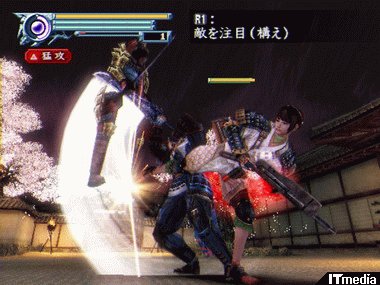
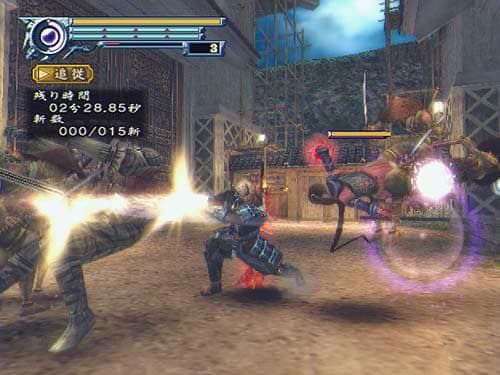
The game was originally titled Dororo before being released as Blood Will Tell in America and Europe, as shown in footage from E3 2003. Below are videos that show some differences between the 2003 build and the final release.

The first trailer with the working title Dororo:

The second intended logo and title for the game:

TGS 2003 Gameplay:

Key Differences:

  • Different attack animation for Hyakkimaru
  • Different HP HUD
  • Different attack animation for Dororo

Images:

Early differences:

  • Different attack animation for Dororo and Hyakkimaru
  • Slightly different HP HUD (changed twice)
  • Different enemy HUD (purple)
  • Different fascial texture for Hyakki and Dororo

A fan-documentary of Blood Will Tell and who came up with the game idea